TYDE Icon Joint Venture with BMW
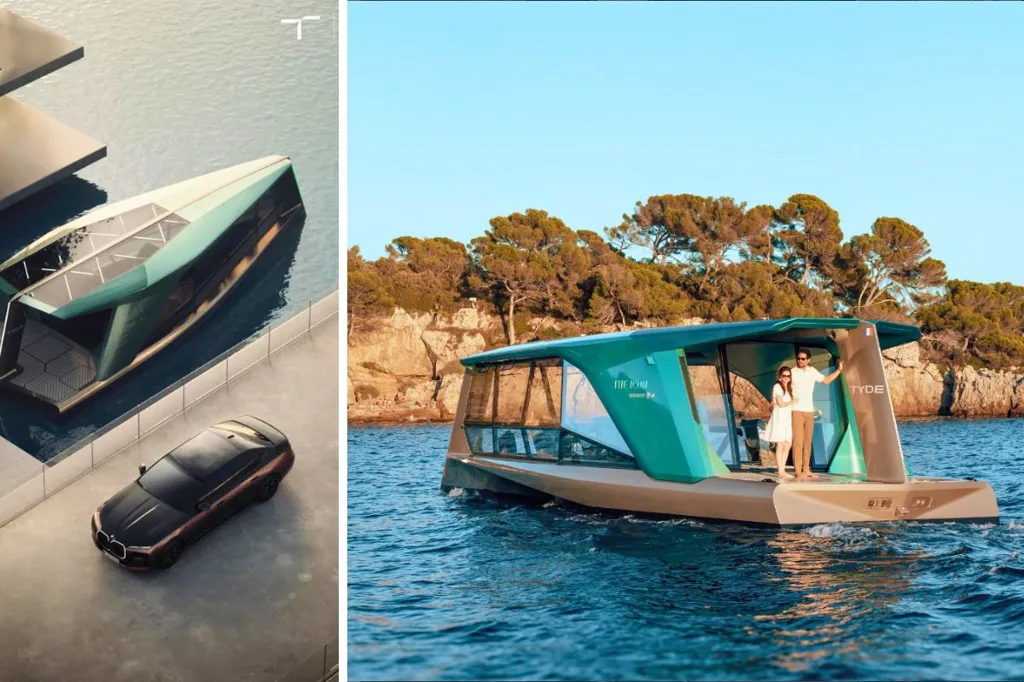
BMW Just Built an Electric Yacht. And Yes, Hans Zimmer Did the Soundtrack.
BMW builds an electric superboat with a two time Oscar winner doing the soundtrack. We ask the obvious question: is THE ICON a genuine leap in yacht engineering, or a very expensive halo project? Here's the honest answer.
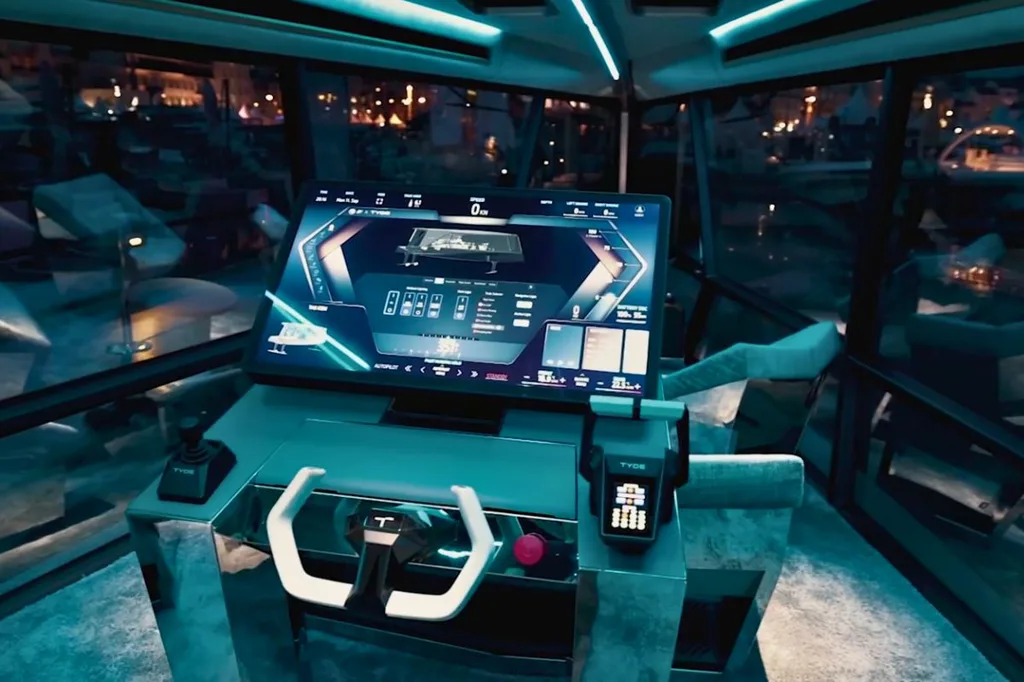 The Tyde's user interface is in a class of its own. Featuring a 32-inch touch display with 6K resolution.
There’s a particular kind of question we ask ourselves whenever a car brand wanders off into someone else’s industry: Is this actually clever, or is it just a badge exercise with a bigger price tag?
TYDE, the German outfit behind THE ICON, forces that question immediately. This is a joint venture with BMW and Designworks, and on paper it reads like exactly the sort of vanity crossover we’d normally raise an eyebrow at. A car company building a boat. Sure. Let’s see it.
Except THE ICON isn’t just wearing a BMW badge and calling it a day. It’s a proper electric hydrofoiling yacht, and the engineering underneath is where this thing earns its keep.
The bit that actually works
THE ICON runs on two 100 kW electric motors drawing from a 240 kWh battery pack. For context, that’s roughly triple what you’d find in a long-range electric SUV except this one’s pushing 10 tons of yacht instead of a family and the weekend shopping. Top speed sits at 33 knots (about 61 km/h), with a cruising speed of 24 knots and a range of 50 nautical miles at that pace. A full charge takes 5.5 hours.
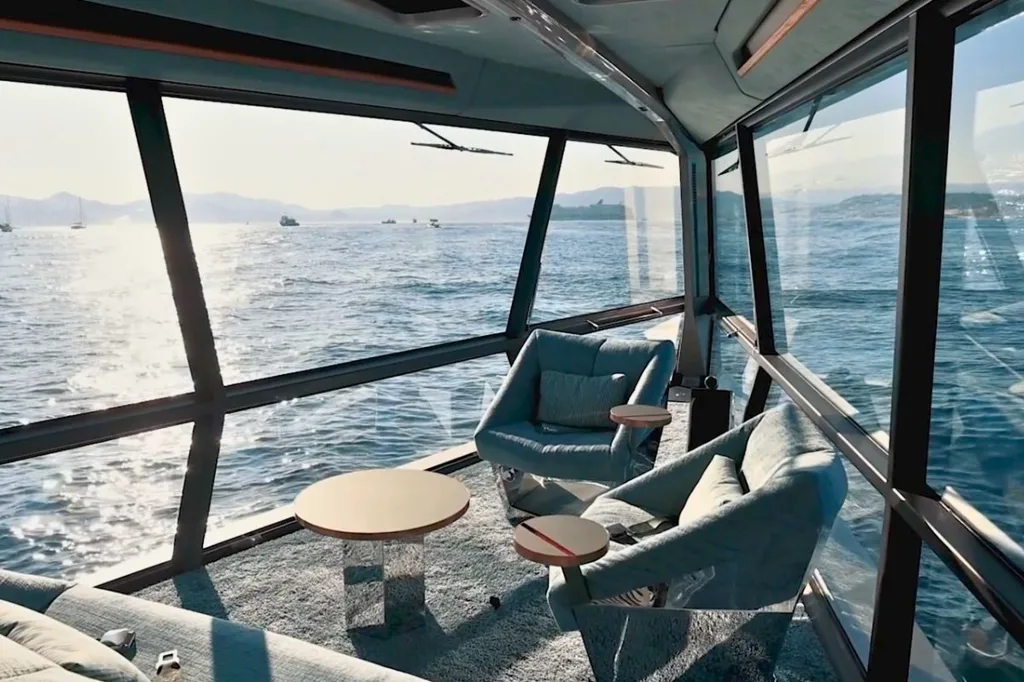 A luxurious ride experience with panoramic sea views.
Here’s the clever bit
THE ICON foils. At speed it lifts clear of the water, dropping its draft from 1.87/1.90 m to just 0.85 m. Less hull dragging through the water means less energy spent fighting drag, which is precisely how an electric boat manages a genuinely useful range instead of the “sounds good until you actually try it” numbers we usually see from battery powered watercraft. Same principle that makes foiling sailboats and hydrofoil ferries efficient, TYDE has just applied it to a luxury tender.
At 13.15 metres long and carrying eight passengers, it’s not a superyacht in its own right. It’s built as the ultimate tender, the boat that ferries you from the marina to the actual big boat in considerably more style than a rigid inflatable ever could.
Pure flex, no apologies
Inside there’s a 32 inch touchscreen running at 6K resolution, voice control for navigation and climate, and a Dolby Atmos sound system with an acoustic profile composed by Hans Zimmer. Yes, the man behind the Inception and Dune scores has personally worked on what this yacht sounds like when you start it up.
Is that necessary? Obviously not. Nobody needs a bespoke Zimmer soundtrack to get from the yacht club to the mooring. But that’s rather the point of anything in this category, nobody needs a Bugatti either.
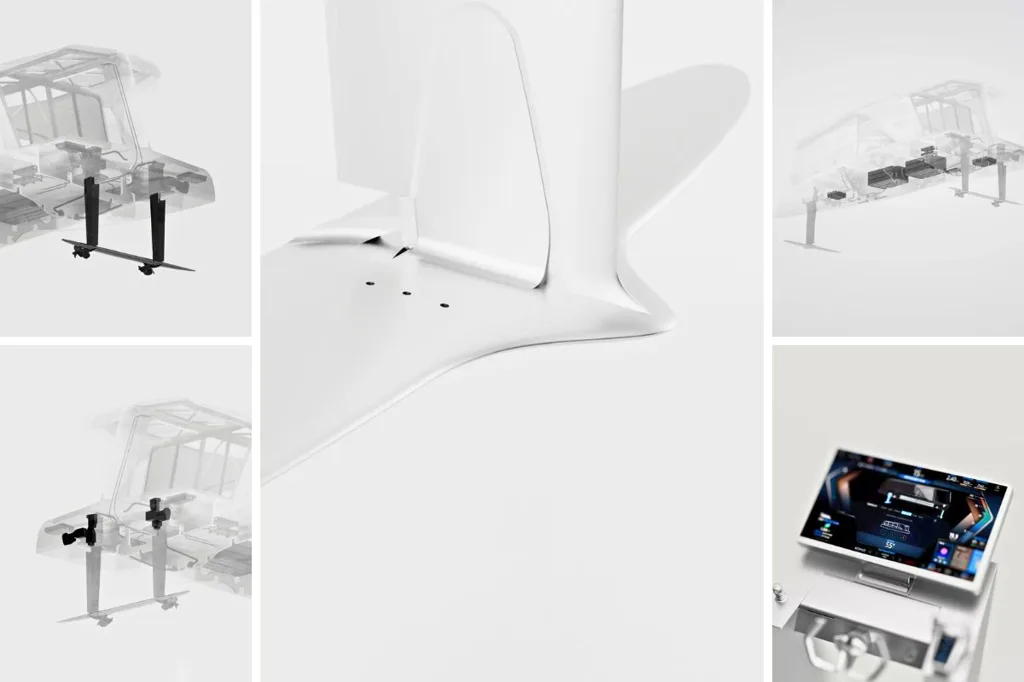 Combination of advanced hydrofoil technology and electric propulsion.
 Sponsored
Advertise with Motor IQ today!
Stop dealing with tyre-kickers who don't know the difference between a transom and a trailer. Sell your craft to buyers ready to hit the water.
Learn More.
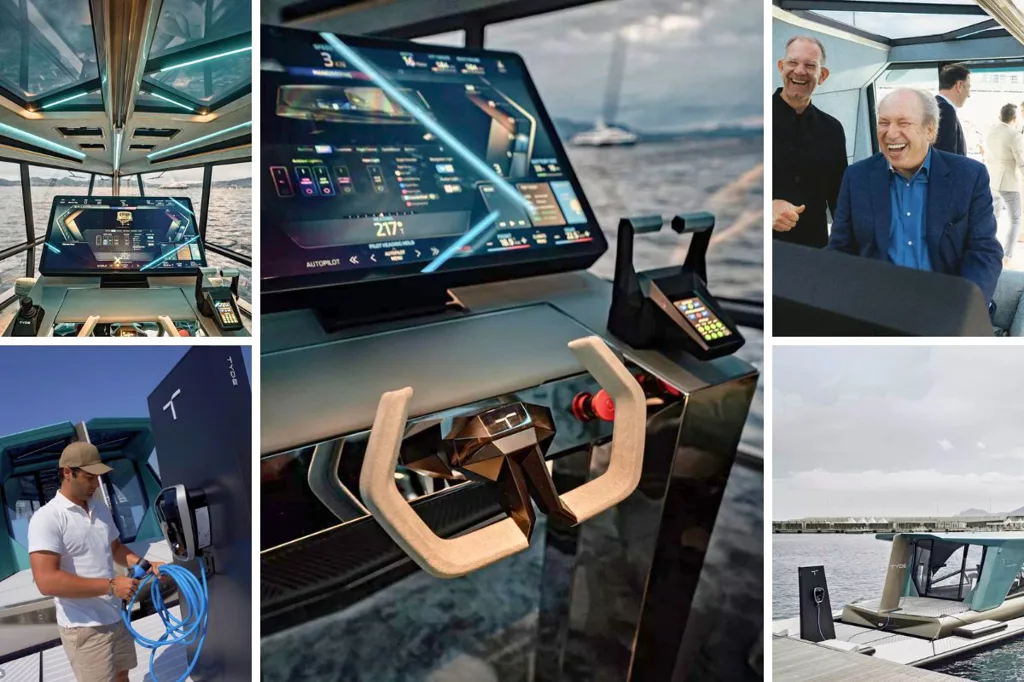 The sound concept on The Icon was realized by two-time Academy Award winner Hans Zimmer.
Reality check
TYDE hasn’t published a fixed price and anything wearing a BMW crest and an Oscar winning composer’s name isn’t going to be cheap. Early European numbers put it somewhere in the €2.0–2.5 million range. This isn’t a product aimed at the weekend ski boat crowd launching off Gordon’s Bay. It’s aimed at the small end of the market that already owns something considerably larger and needs a tender that matches.
For South Africa specifically, that’s a narrow but real audience, the same buyers browsing superyacht listings out of Cape Town and the Med who’d want their tender to look like it belongs alongside the main event rather than like an afterthought bolted to the swim platform.
What we can say with confidence is that the engineering is legitimate. The foiling system isn’t marketing dressing, it’s the actual reason this thing gets usable range out of a battery pack that would otherwise be laughably inadequate for a vessel this size. BMW’s automotive know how clearly did real work here, not just cosmetic.
Whether that’s worth the asking price is a question only TYDE’s actual clientele will get to answer. For the rest of us, it’s simply proof that electric propulsion on the water has moved well past golf cart pontoon boats and that if any car brand was going to pull off a genuinely credible yacht, BMW backing Designworks and a two time Academy Award winner wasn’t a bad way to start.
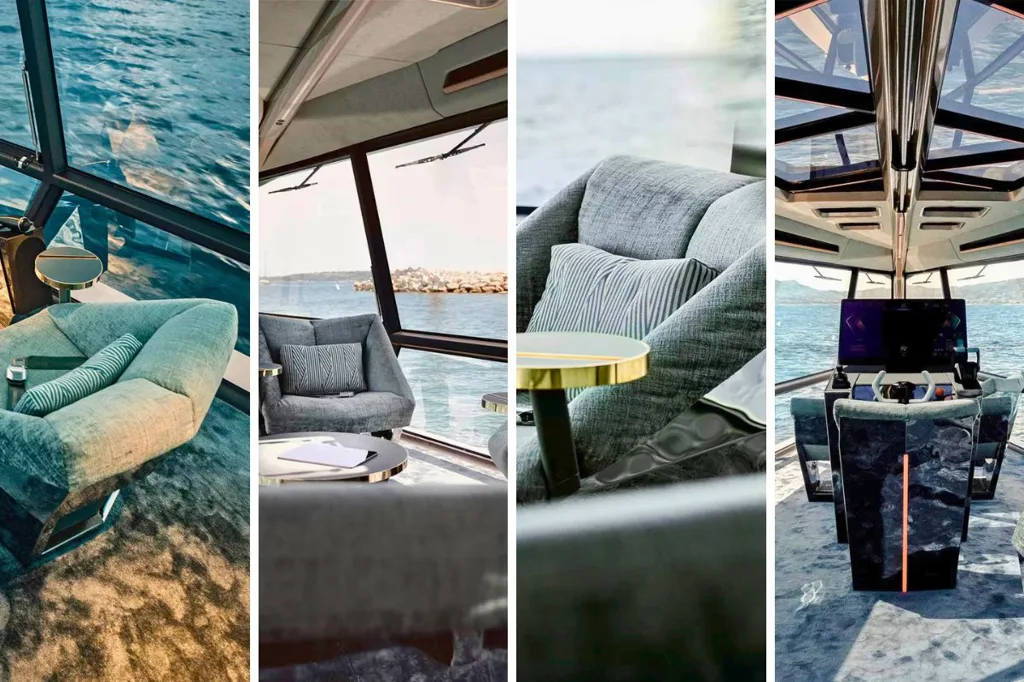 Meticulous attention to detail that elevates this unique space to the pinnacle of luxury.
Spec Sheet — TYDE THE ICON
Category
|
Spec
|
|
Length overall
|
13.15 m
|
|
Beam
|
4.50 m
|
|
Light displacement
|
10 tons
|
|
Draft (static / foiling)
|
1.87–1.90 m / 0.85 m
|
|
Passengers
|
8
|
|
Propulsion
|
2 × 100 kW electric motors
|
|
Battery capacity
|
240 kWh
|
|
Charging time
|
5.5 hours
|
|
Top speed
|
33 knots
|
|
Cruising speed
|
24 knots
|
|
Range at cruise
|
50 nautical miles
|
|
Display
|
32-inch, 6K resolution touchscreen
|
|
Sound
|
Dolby Atmos, composed by Hans Zimmer
|
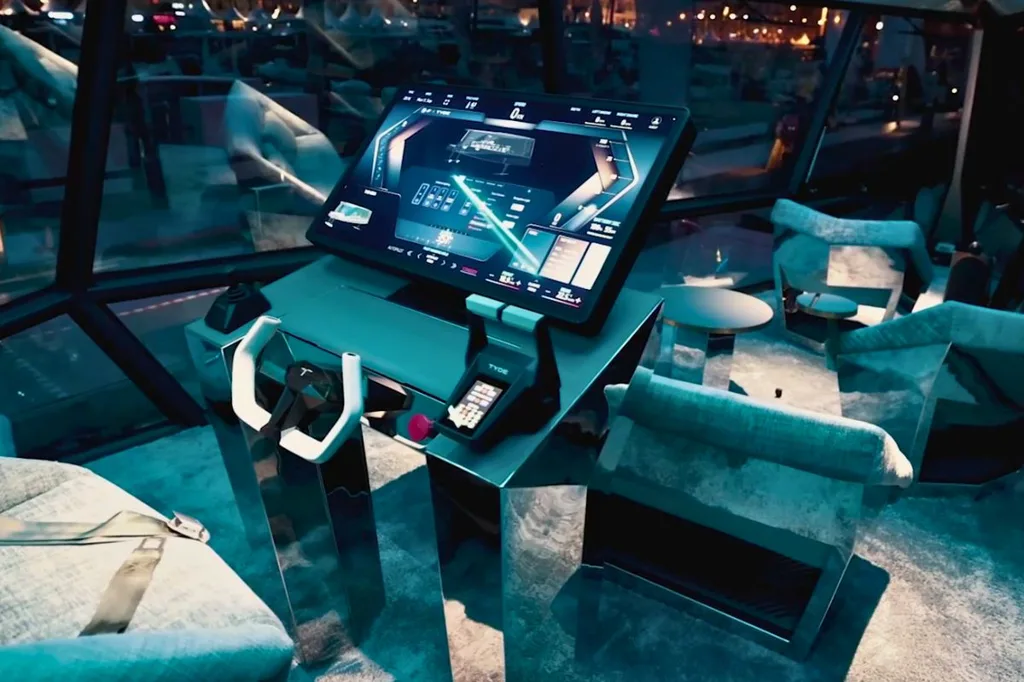 BMW’s iDrive user interface redefines user centricity, intuitive control, and ease of use.
Here are 5 real FAQs that potential buyers of THE ICON are actually asking:
1. What’s the real-world range, not just the brochure number?
Around 50 nautical miles at the 24-knot cruising speed. Push it harder toward the 33 knot top speed and that range drops noticeably. The foiling system is what makes the range usable, without it, a 240 kWh battery in a 10 ton boat would be almost pointless.
2. How long does it actually take to charge, and can I charge it at a normal marina?
Full charge is listed at 5.5 hours. In practice it depends on the shore power available. High end marinas with proper EV/boat charging infrastructure can handle it; basic club docks often can’t. Most owners will need dedicated high power charging arranged at their home berth or yacht club.
3. Is the foiling system reliable in real sea conditions, or only in calm water?
It works in moderate chop and can handle typical coastal conditions, but it’s not designed for rough open-ocean running. Like most current foiling boats, it performs best in relatively protected waters. Heavy seas will force it back into displacement mode and kill the efficiency advantage.
4. What does ownership and maintenance actually cost beyond the purchase price?
Battery degradation, specialised foiling hardware, and the Torqeedo electric systems mean servicing is more complex (and expensive) than a conventional diesel tender. Annual running costs will sit well above a traditional RIB of similar size, even though fuel is cheaper. Expect premium rates for technicians who understand the system.
5. Can I actually buy one and have it delivered/supported in South Africa or the Med?
There is no official South African dealer network yet. Purchases currently go direct through TYDE in Europe. Delivery and support for Cape Town or Mediterranean berths is possible, but you’ll be dealing with the factory rather than a local agent. After-sales support and spare parts logistics need to be confirmed before signing.
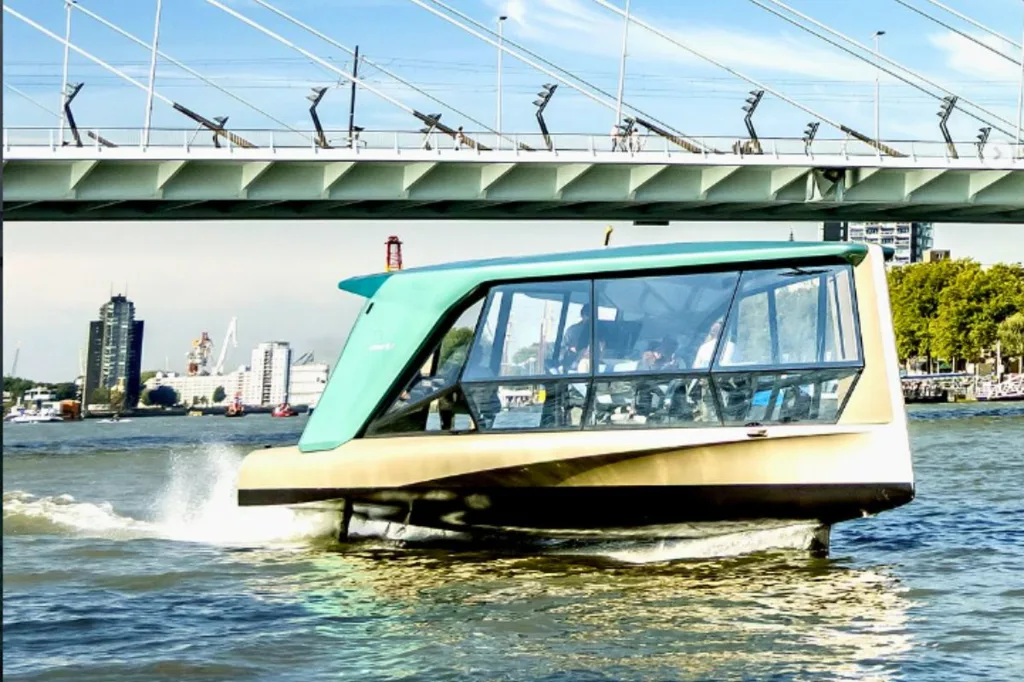 Riding a TYDE yacht is akin to effortlessly gliding through the air.
 Sponsored
Advertise with Motor IQ today!
Adrenaline doesn’t belong in the garage. Move your PWC fast by targeting the crowd that lives for the weekend wake.
Learn More.

Words and Photographs by:
Motor IQ Staff Writer
Behind every sharp story, clean gallery and late night news drop on Motor IQ, there’s a quiet creative force keeping the wheels turning. Read more →