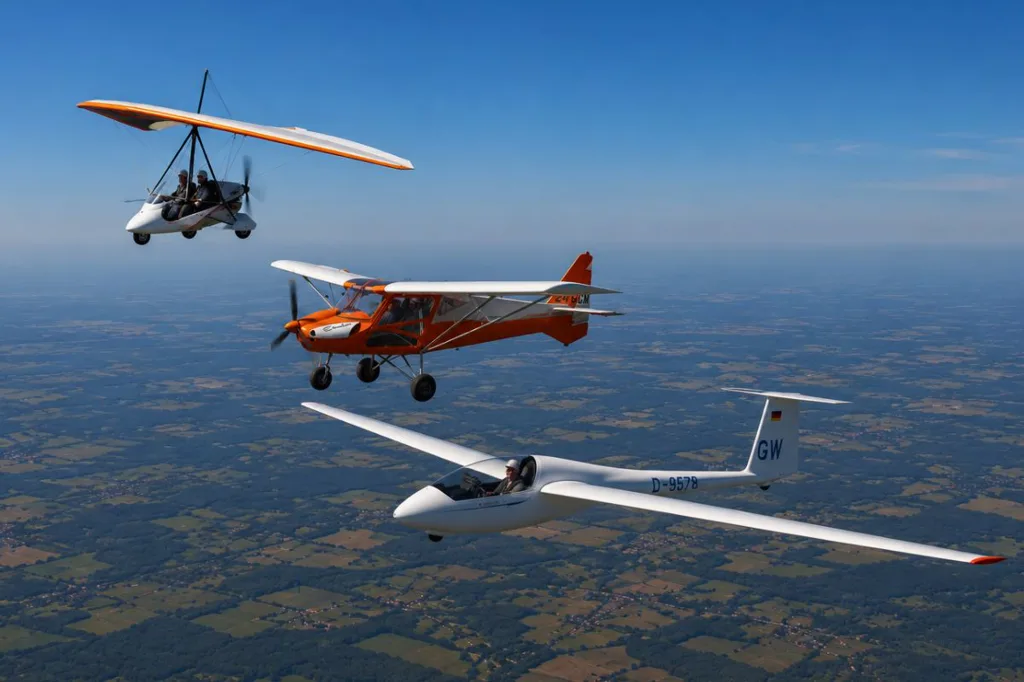
The Next Best Steps into South African Skies: A Beginner’s Guide
Ever dream of flying in South Africa? From wind in your face Weight Shift Trikes, enclosed Three-Axis Microlights, to silent Glider soaring, here’s your honest beginner’s guide.
Real costs, training hours, top schools & pros/cons under SACAA NPL.
Which one is your sky weapon? Trike, Microlight or Glider?
Pics: Borrowed from various sites on the WWW, if we have used some ot your pics - Thank You, we do hope this article gives the sport a lot more exposure and attention.
If powered paragliding doesn’t quite fit your vision of aviation, perhaps you prefer the stability of wheels, the space to take a friend along, or the absolute silence of engineering perfection, South Africa’s recreational aviation framework has you covered.
Governed under SACAA Civil Aviation Regulations (Part 94), the National Pilot Licence (NPL) offers the most cost effective path to piloting a traditional aircraft. Below is an honest, factual, and slightly irreverent breakdown of the top three entry points to wheel-launched aviation.
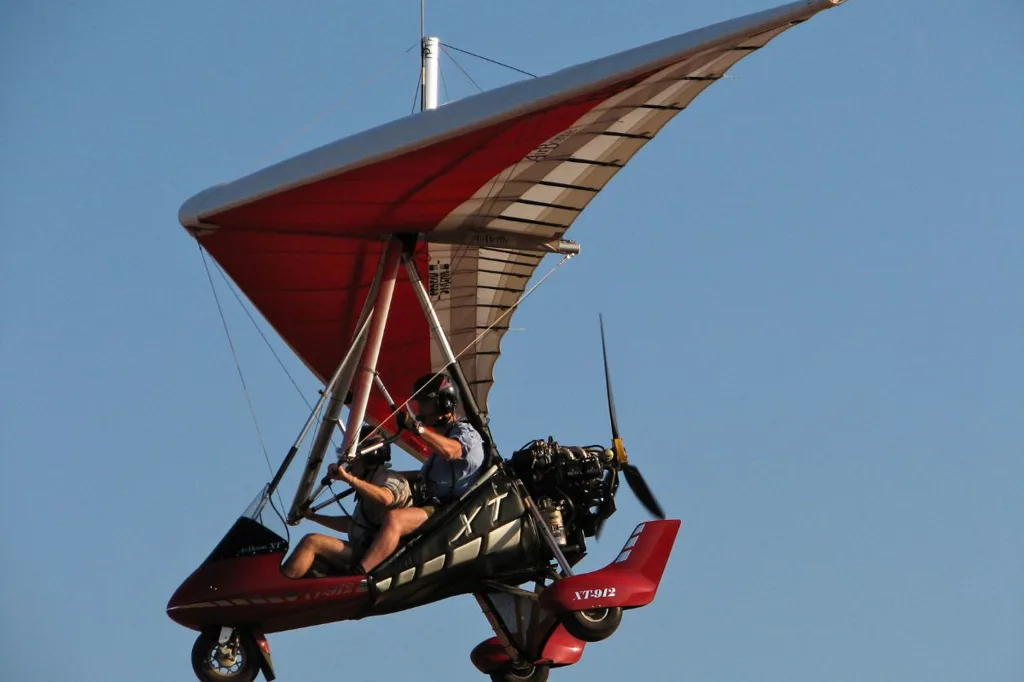
1. Weight-Shift Microlights (WCM) / "Trikes"
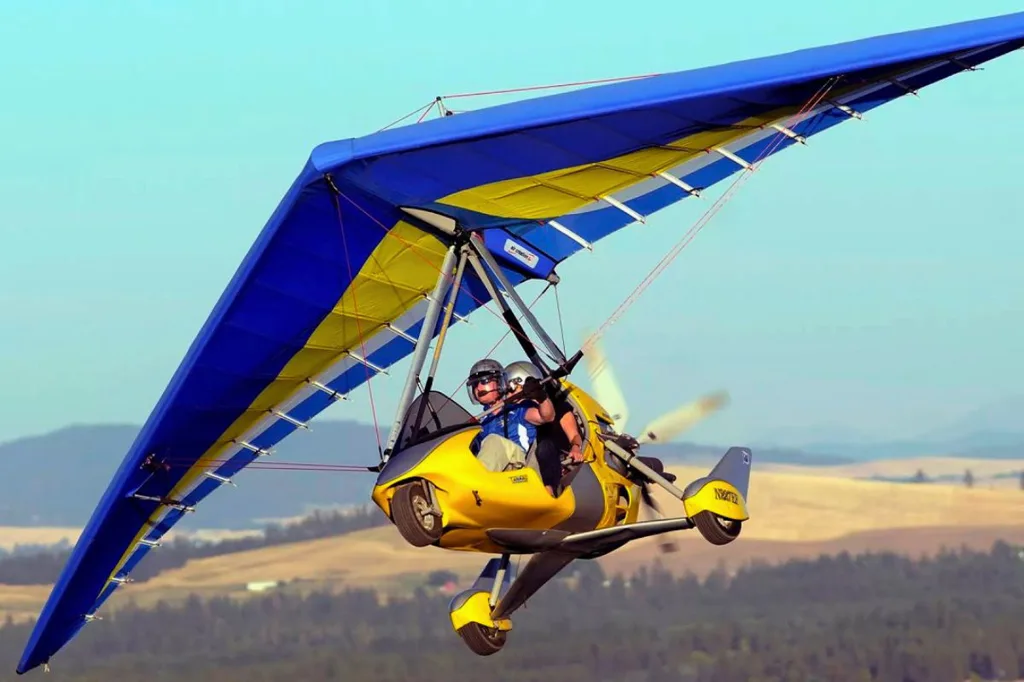
If you want to feel the wind attempting to rip the sunglasses off your face while you cruise at 50 knots, the weight shift trike is your calling. It consists of a motorized three wheeled carriage (pod) bolted underneath a giant, high performance hang-glider wing.
[ 15-Meter Delta Wing ]
\
\=== (Control A-Frame)
\
[ Trike Pod: Rotax Engine + 2 Seats ]
The Sport & Technology
Steering is entirely visceral. There are no ailerons, flaps, or tails. You grab a steel A-frame control bar and physically shift your body weight. Push the bar forward to dive and gain speed; pull it in to climb; shove it left to turn right. It sounds counterintuitive, but it becomes second nature within hours. Usually powered by a bulletproof, two stroke Rotax 582 engine spinning a pusher-propeller, these machines are rugged, loud, and built to survive rough, unpaved farm strips.
Legalities & Training Academies
To legally fly, you need an NPL with a WCM rating. The legal minimum training requirement is just 25 flight hours. Top schools include Aerosport near Cape Town and various regional instructors operating out of grass strips across Gauteng and KwaZulu-Natal.
Safety, Pros & Cons
-
The Good: Incredible panoramic visibility. The ultimate "wind in your face" adventure machine. It can land on a postage stamp.
-
The Bad: You are completely exposed to the elements. If it rains, you get wet. If it’s freezing, your nose turns blue.
-
The Reality: If the engine quits, it is structurally a hang glider. You just slide down an invisible hill to a safe landing. Ground-handling accidents (tipping over in a strong crosswind on taxi) are the most common source of bent aluminum and bruised egos.
The Financial Damage
-
Initial Setup: R35,000 to R50,000 for training. A solid, airworthy secondhand Aquila or Windlass trike will cost between R60,000 and R120,000.
-
Cost of Ownership: Hangarage at a small airfield runs about R1,500 to R2,500 a month. It burns roughly 15 liters of fuel per hour, meaning a one hour flight will cost you roughly R450 to R550 in fuel and oil.
 Sponsored
Advertise with Motor IQ today!
High-flyers don’t scroll standard classifieds. Get your aviation gear in front of the pilots, dreamers, and aero-nuts who actually look up.
Learn More.
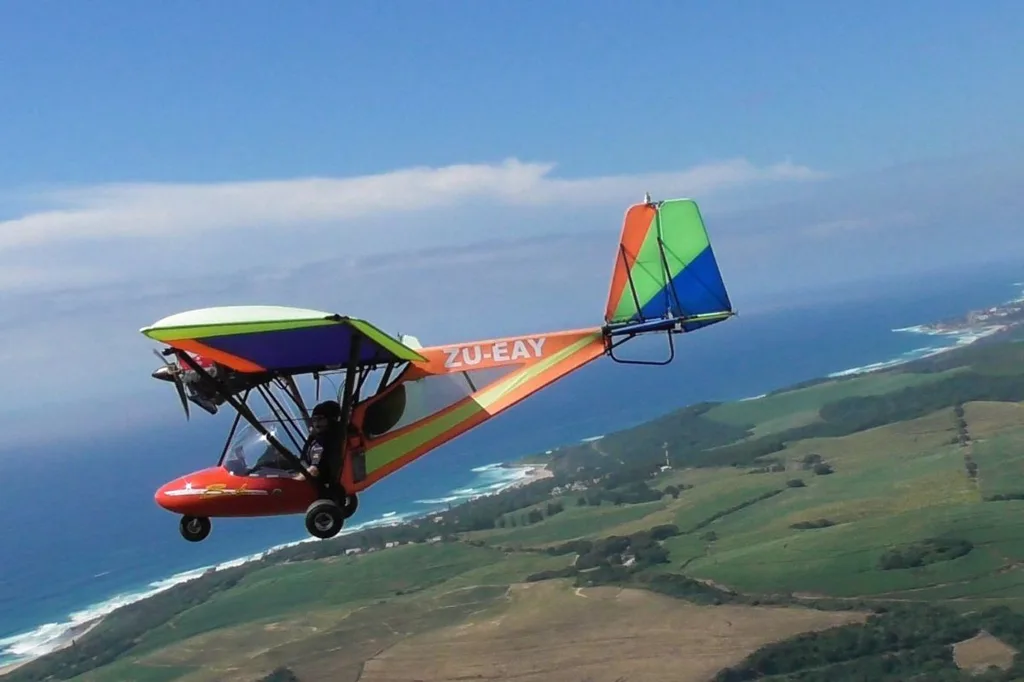
2. Conventional Controlled Microlights (CCM) / Three-Axis
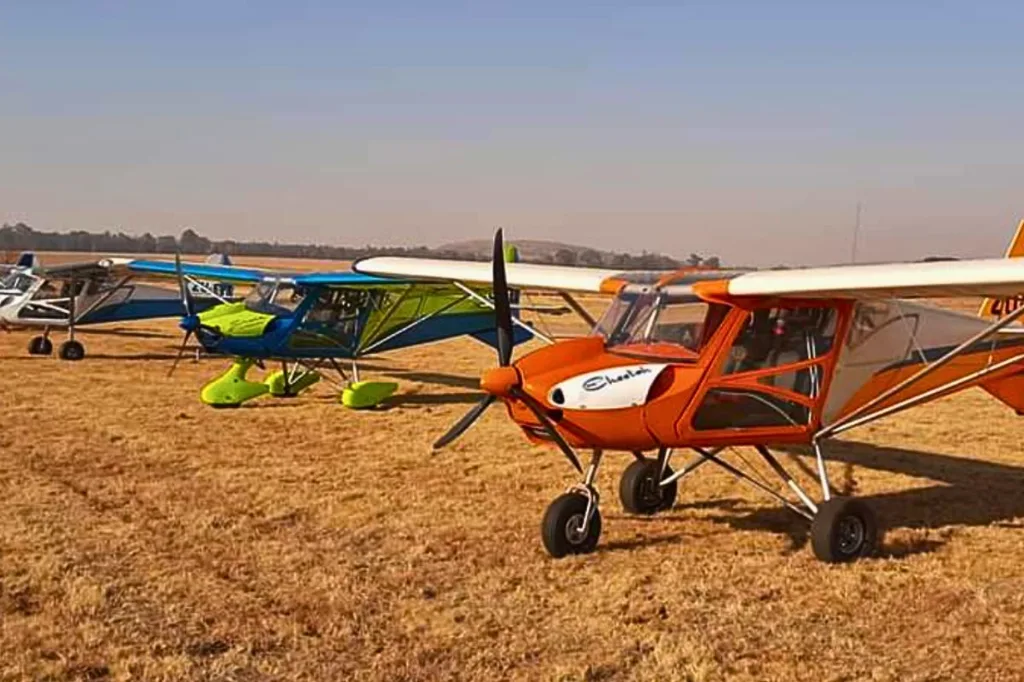
If your definition of an airplane involves sitting enclosed behind a windshield, manipulating a control stick between your knees, and kicking rudder pedals, you are looking for a Three Axis Microlight. These are lightweight, scaled down bush planes made of high-tech aluminum tubes and specialized dacron fabric.
The Sport & Technology
Unlike the trike, a CCM flies exactly like a traditional Boeing or Cessna. You have three axes of control: pitch, roll, and yaw, managed via a standard joystick and rudder pedals. Legendary South African staples like the Bantam B22 or the Cheetah dominate this space. They feature high wings (perfect for looking down at game farms) and rugged landing gear built for the African bush.
Legalities & Training Academies
You will require an NPL with a CCM rating, which demands a minimum of 35 flight hours (20 dual, 15 solo). Excellent training facilities are scattered across the country, notably the OFA Ermelo Flight School in Mpumalanga and venues around Aviators Paradise in Gauteng.
Safety, Pros & Cons
-
The Good: Side by side seating means you can actually talk to your passenger without yelling. Cabin enclosures keep you out of the biting winter wind.
-
The Bad: They are light. Crossing the Karoo at 2 PM in summer will give you a thorough, bumpy wash and spin cycle from the thermal turbulence.
-
The Reality: Exceptionally safe due to incredibly low stall speeds (often below 35 knots). If the engine fails, you glide gracefully. The biggest hazard is pilots letting their airspeed drop too low on a steep, turn for the camera approach near the ground.
The Financial Damage
-
Initial Setup: Budget R60,000 to R80,000 for the full license. A highly reliable used Bantam B22 or an older Cheetah will run you R150,000 to R280,000.
-
Cost of Ownership: Expect a burn rate of 15 to 18 liters per hour. Your dry operating cost sits at roughly R500 to R650 per flight hour.
Sponsored
Advertise with Motor IQ today!
High-flyers don’t scroll standard classifieds. Get your aviation gear in front of the pilots, dreamers, and aero-nuts who actually look up.
Learn More.
3. Pure Gliding (Sailplanes)
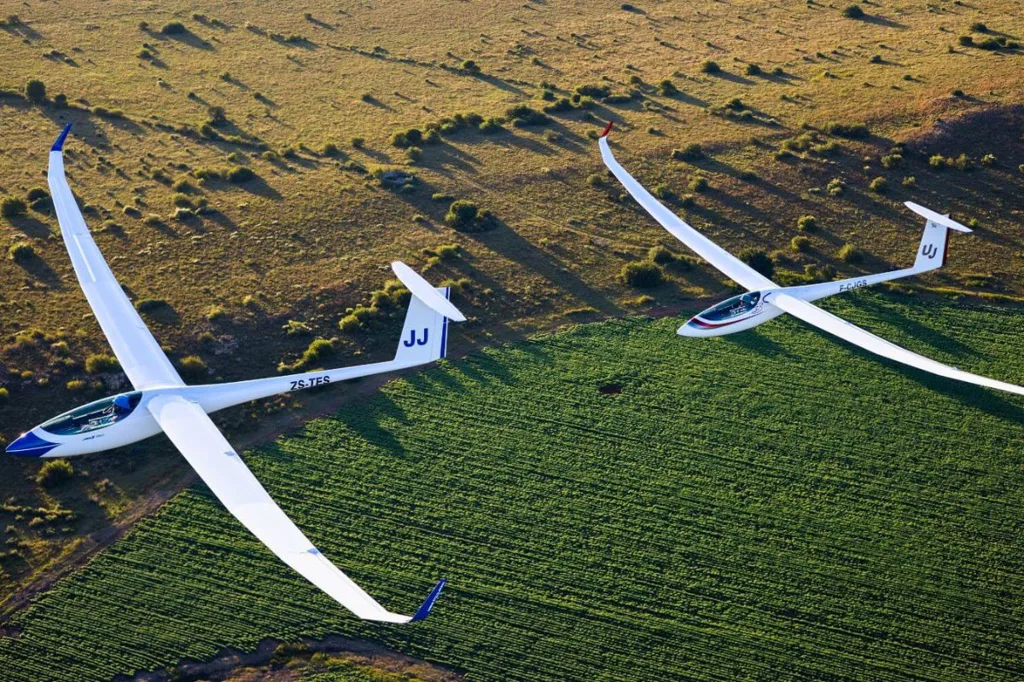
For the purists who believe that internal combustion engines are an unrefined nuisance that ruins a good afternoon, there is gliding. This is the art and science of piloting a high-performance aircraft with an engine deficit.
The Sport & Technology
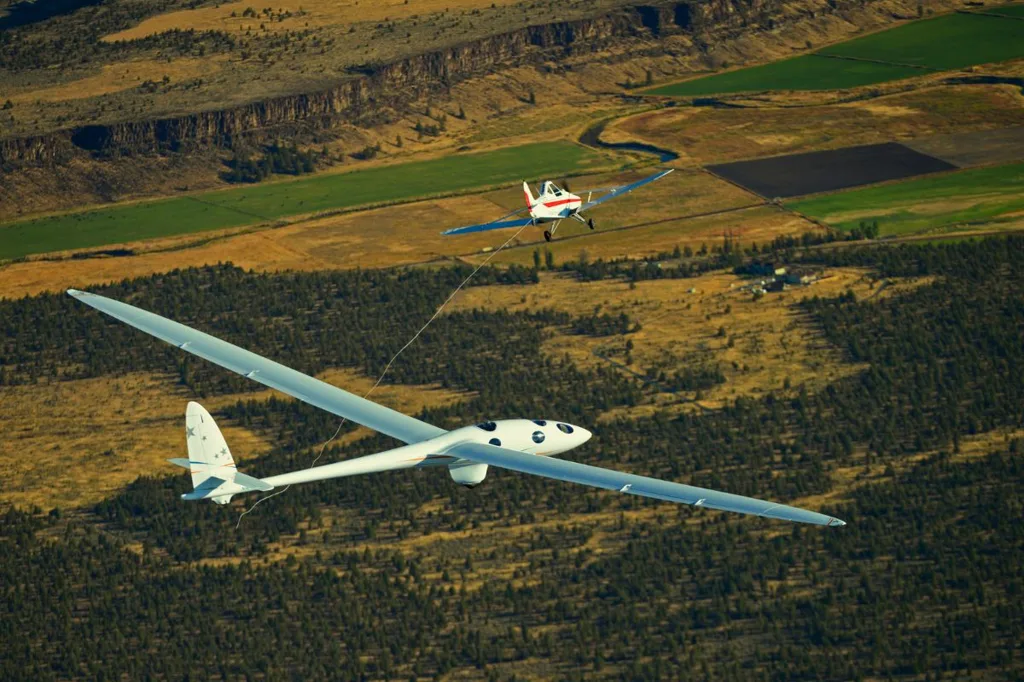
Gliders (or sailplanes) are aerodynamic masterpieces boasting immense wingspans and incredibly low drag coefficients. You are launched into the sky either via a high powered ground winch or towed behind a powered "tug" aircraft. Once released, the real game begins. You use your instruments and instincts to hunt for thermals, rising columns of hot air generated by the African sun hitting the soil. By circling in these elevators of air, skilled pilots can stay aloft for eight hours and travel over 500 kilometers without using a single drop of fuel.
Legalities & Training Academies
You will train toward a Glider Pilot Licence (GPL) under the guidance of the Soaring Society of South Africa (SSSA). South Africa is a global hotspot for the sport, with world renowned clubs like the Cape Gliding Club (Worcester), Magalies Gliding Club (Orient airfield, Gauteng), and the Gariep Dam Gliding Club.
Safety, Pros & Cons
-
The Good: Unmatched aerodynamic performance, pure silent flight, and a brilliant, tight knit club culture.
-
The Bad: It is a team sport. You cannot just rock up and fly alone; you need wing-runners, winch operators, and tow pilots to get into the air. A day at the airfield is a full day commitment.
-
The Reality: Gliding breeds the best stick and rudder pilots in the world because energy management is life. Accidents are rare but usually involve "landing out", being forced to land in a farmer’s plowed mealie field when the thermals die out, resulting in a long road trip retrieve by your friends.
The Financial Damage
-
Initial Setup: Gliding clubs operate on a volunteer, non-profit basis. Instruction is usually free; you simply pay for the launch and glider rental. A license can be won for under R25,000 to R30,000 over a year or two.
-
Cost of Ownership: Instead of buying a whole aircraft, most pilots join a syndicate (buying a 1/4 share in a glider) for around R40,000 to R70,000. Once owned, there is no fuel bill! You only pay club dues (approx. R630/month) and your launch fees (approx. R300 - R800 per tow), making the per hour cost of soaring incredibly negligible.
-
The Verdict
If you want rugged, minimalist aviation with a passenger, buy a Trike. If you want a genuine mini-bushplane to fly to breakfast fly-ins, save up for a Three-Axis Microlight. If you want the ultimate aerodynamic challenge and have full weekends to dedicate to a club, go join a Gliding Club.
The sky is waiting, pick your weapon.
And just for fun and an interesting reading go read this article on Flight Line Weekly: https://www.flightlineweekly.com/post/2018/07/10/weight-shift-trikes-a-brief-history
Sponsored
Advertise with Motor IQ today!
High-flyers don’t scroll standard classifieds. Get your aviation gear in front of the pilots, dreamers, and aero-nuts who actually look up.
Learn More.

Words and Photographs by:
Motor IQ Office Skivvy
Behind every sharp story, clean gallery and late night news drop on Motor IQ, there’s a quiet creative force keeping the wheels turning. Read more →