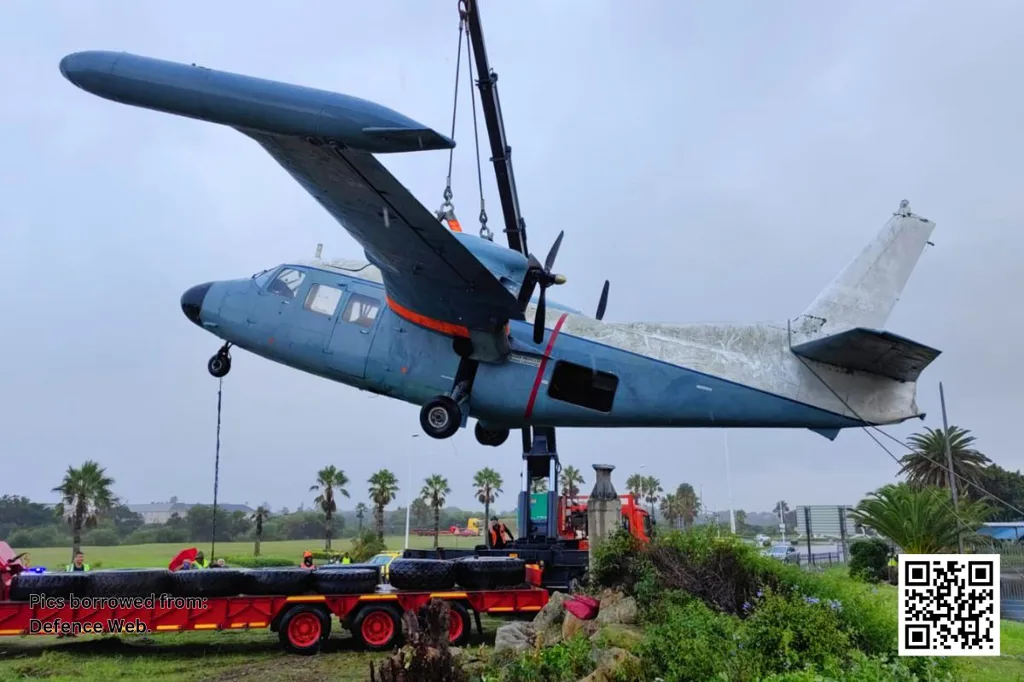
The Ghost Squadrons of Langebaanweg.
Tired of becoming a glorified sky bus driver on autopilot? SA matriculants, ditch the 35k ft coffee runs. Get low, fast & dirty in ag flying: roaring turbines 10ft over maize fields, spraying crops & fighting fires for solid cash. Real flying that pays. Balls & steady hands required.
As a teenager in the 80’s I was entranced by a series of books written by Captain W.E. Johns, a First World War fighter pilot turned author. The books were ‘Biggels’, and I think what attracted me was the rawness of those early ‘Dog-Fights’ in the air, the gentleman's agreements between enemies that a downed pilot floating to the ground with a parachute was not a target, but rather a peer that you had gotten the better of.
Mostly attractive to me was the way the books were written, the details of the cold air, the hot oil and smoke coming off the twin Lewis guns, the Sopwith Camel telling exactly how it is feeling through seat and joystick vibration and lightness or heaviness of the control. How the pilots became one with their machines, learning the foibles and the tricks of how hard or soft to kick the foot rudders to get the Camel to bank or turn quickly, how to climb into a stall turn to or wing over in a merry go round dog fight, so you could dive on your opponent with the Lewis gun blazing out death and destruction while trying to use the wind force to spin your propeller and basically run start your dead motor. I haven’t touched a Biggles book in over 40 years now, and those descriptions still sit burned into my sub-conscious like I read it an hour ago.
So much so that I was hell bent on becoming a fighter pilot as an adult. Then I discovered motorbikes, girls, rugby and beer, bunked school a lot and my grades went for a ball of chalk. The motorbikes were a given, riding a bike, especially the bikes I grew up with in the 70’s and 80’s, becoming one with the machine, smelling the oil, hearing the deafening roar of the engine, feeling an inanimate machine become alive underneath and respond obediently…. Mostly.... to my touch, tearing across the veld, whipping down dirt paths or laying flat on the tank trying to achieve the highest speed possible, reminded me of the stories in my Biggles books. Like Biggles, I also got to meet a lot of pretty girls…. Nurses mostly ;-). Without the grades I was destined to become Cannon Fodder rather than an Airman during my National Service, but there was that option had I applied myself in maths and science at school.
 I was entranced by a series of books written by Captain W.E. Johns.
 Sponsored
Advertise with Motor IQ today!
General aviation isn’t a casual hobby, it’s a precision market. List your light aircraft where the right pilots, syndicates, and buyers are actually looking.
Learn More.
The tragedy of modern South African aviation is that our collective imagination still stops at the gates of AFB Langebaanweg.
For generations, the psychological contract for any young South African obsessed with raw, violent flight was simple: survive the selection board, endure the physical hammering of military training, and earn the right to strap into a supersonic weapon over the bushveld. It was the only arena where aviation wasn't treated as transportation, but as a highstakes, maximum G chess match where your eyes worked faster than your instruments.
But let’s strip away the nostalgic Top Gun (another Fighter pilot story I am a huge fan of despite that wanker in the lead role), sentimentality and look at the cold, structural reality of South Africa.
The modern South African Air Force is largely a ghost squadron of budget cuts, grounded airframes, and maintenance paralysis. The roaring frontlines of the past have effectively withered into a historical exhibit. For a matriculant chasing that specific, high intensity rush of moving a heavy machine on the absolute ragged edge of its aerodynamic envelope, the traditional military gate hasn’t just narrowed, it has been welded shut and padlocked.
This creates an agonizing crisis of purpose for the country's true aviation purists. Did the dream of wild, untamed, adrenaline fueled flight in South Africa die along with the air force's operating budget? Or has that visceral need for high consequence flying simply migrated into a different, highly specialized corner of the civilian sky?
The answer isn't sitting at 35,000 feet in an airline cockpit, where you spend your youth in a pristine white shirt managing autopilot constraints and apologising for baggage delays. The true spiritual successor to the fighter pilot legacy has moved into the countryside, operating ten feet off the dirt, pulling maximum performance turns at sunrise, in the high stakes, low level world of modern turbine agricultural aviation.
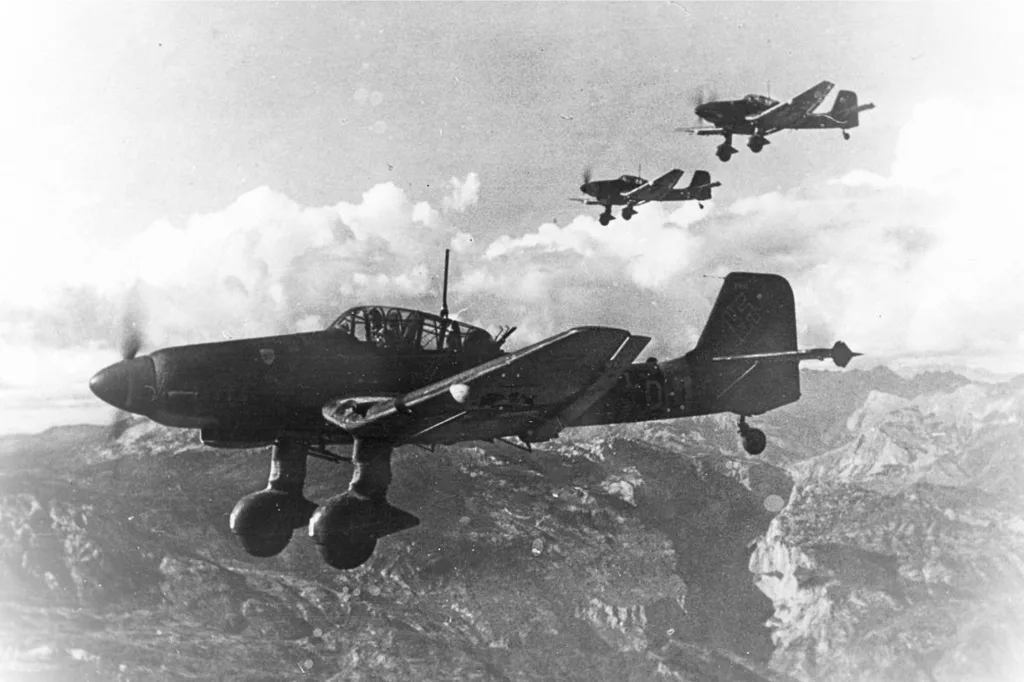 Air Tractors have the whiff o a Ju 87 about them.
 Sponsored
Advertise with Motor IQ today!
High-flyers don’t scroll standard classifieds. Get your aviation gear in front of the pilots, dreamers, and aero-nuts who actually look up.
Learn More.
The Gilded Cage of the Airline Bus Driver
Before you sign away R1 million to a flight school on the promise of a commercial airline track, you need to understand exactly what you are buying. Flight schools love selling the romance of the big jets. They show you glossy marketing of sleek airliners parked at OR Tambo and hint at an effortlessly glamorous lifestyle.
What they deliberately omit is that modern airline development is designed to systematically engineer the "flying" out of aviation.
An airline cockpit is an environment of absolute, sterile predictability. You do not fly the aircraft; you manage the automated flight management computers that fly it for you. Your job is to follow rigid corporate procedures, monitor screens, and let the software do 95% of the heavy lifting. It is a vital, prestigious, and highly responsible profession, but it is fundamentally a corporate desk job with a pressurized window view. It is built for systems administrators, not for individuals who want to feel the aircraft singing through their palms and heels.
If your soul craves precision, speed, and zero margin for error, sitting on an airline flight deck crossing the equator on autopilot will eventually feel like a slow death. You will realise, with a heavy heart, that you’ve become a highly trained, overpaid bus driver of the skies.
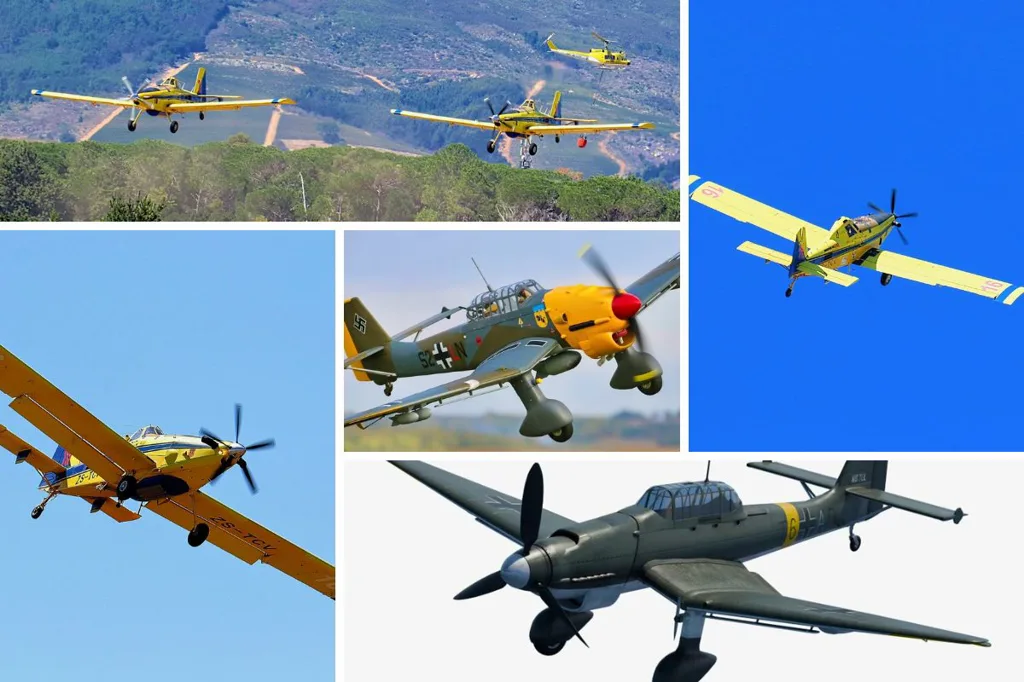 Very similar lines in my eyes.
Sponsored
Advertise with Motor IQ today!
General aviation isn’t a casual hobby, it’s a precision market. List your light aircraft where the right pilots, syndicates, and buyers are actually looking.
Learn More.
The New Frontline: 1,400 Horsepower Farming Weapons
If you want the civilian equivalent of a frontline fighter wing, you have to look at modern agricultural aviation. Erase the vintage cartoon image of a coughing, rusted biplane casually dusting a mealie field. That world belongs in the history books.
Today’s heavy agricultural aircraft, spearheaded by American built Air Tractors like the AT-502 and the monstrous AT-802, are industrial tactical weapons.
These machines are built for violent, sustained, low level performance. They are wrapped around legendary Pratt & Whitney PT6 turboprop engines, the exact same turbine technology found in millions of dollars corporate turboprops, but re-tuned here for sheer, brutal low end torque. When an AT-802 stands on its tail, pulling a hard vertical pitch out of a tight valley with 1,400 horsepower screaming through the propeller, it looks and sounds less like a piece of farming equipment and far more like a Second World War dive bomber, and truth be told, there is something of the German Junkers Ju 87 "Stuka" Dive Bomber in its lines.
The mission profile is pure, unfiltered adrenaline. Imagine flying at 260 km/h precisely three meters above a citrus orchard or a Free State maize field. The light is flat, the morning air is tossing the wings, and you are banking into a 60 degree turn at the edge of the property, dragging your wingtip inches from the tree line to line up your next pass.
There is no autopilot to rescue a bad input. There are no computer safeguards or fly by wire overrides. It is pure stick and rudder aviation. You are constantly balancing shifting wind shear, radical weight changes as your payload empties, terrain contours, and the ultimate South African pilot killer: unmapped Eskom power lines. Every single second requires complete cognitive immersion. If you blink…. you die.
Tactical Combat in the Wildfire Trenches
If crop spraying satisfies the need for surgical precision, the South African winter transforms these pilots into literal combat aviators.
When the highveld dries to tinder and the mountains of the Western Cape catch fire, the ag fleet pivots into an aerial firefighting force under tactical programs like Working on Fire.
Strapping into an AT-802 Fire Boss, the amphibious, water-scooping variant of the Air Tractor, and diving headfirst into a roaring wildfire canyon is the closest a civilian will ever get to a military strike mission. You are flying into severe thermal turbulence, choked by blinding smoke, managing radical aerodynamic shifts as thousands of liters of water leave the airframe in under two seconds, and navigating treacherous mountain topography with zero room for error.
It requires the exact same psychological architecture as a combat pilot: an icy heart, flawless spatial awareness, and an absolute lack of arrogance. The mountain and the smoke don't care about your ego; they only respect flawless execution.
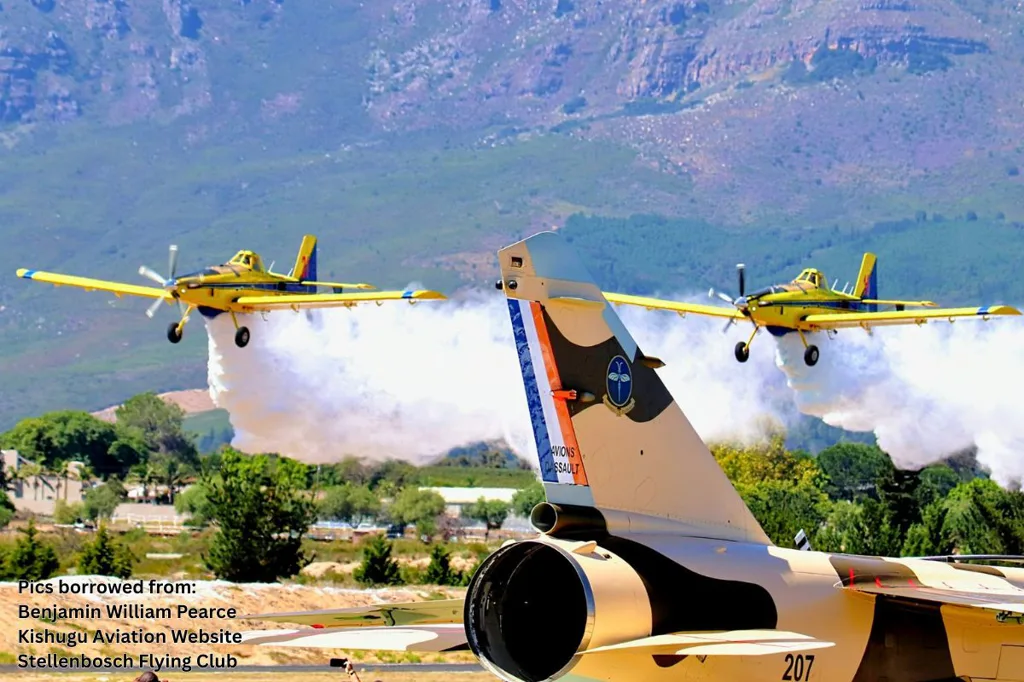 The spiritual successor to the fighter pilot has moved to the countryside.
Counting the Capital Cost of the Cockpit
This level of untamed flight doesn’t come free, and the civilian world lacks a government defense budget to pick up the tab. The financial barrier to entry is a brutal reality check for any matriculant staring at flight school quotes.
You have to treat this as buying into a high yield career business, not an expensive hobby to look stylish on social media. But unlike the traditional CPL graduate who faces years of near starvation wages as a low tier flight instructor or cargo hauler, where as a disciplined ag pilot enters a high value, protected niche.
Entry level ag pilot positions in South Africa can sometimes start around R350,000 to R450,000 annually. Once you have proven your mechanical sympathy and transitioned into heavy turbine machinery, experienced pilots running high volume seasons and winter fire contracts can comfortably clear R700,000 to well over R1 million a year. Farmers and operators gladly pay a massive premium for individuals who possess the rare discipline required to keep these multi million rand machines intact.
Sponsored
Advertise with Motor IQ today!
High-flyers don’t scroll standard classifieds. Get your aviation gear in front of the pilots, dreamers, and aero-nuts who actually look up.
Learn More.
The Verdict: Where Does Your Dream Live?
The dream of adrenaline fueled aviation in South Africa did not die with the SAAF's frontline squadrons. It simply escaped the military base, shed its uniform, and moved to the countryside.
If you are a young South African looking at airline brochures and feeling a profound sense of boredom at the thought of a sterile, automated career, pay attention to that instinct.
The wild, untamed side of aviation is still alive. It’s waiting on a dusty gravel runway in the Free State or Mpumalanga, smelling of turbine exhaust, avgas, and sweat. It belongs to the pilots who are brave enough to reject the predictable, comfortable path of the airline bus driver, and choose instead to truly fly.
There is definitely a massive dose of Captain W.E. Johns in this kind of flying. The parallels are almost spot-on: operating off a patch of grass in the middle of nowhere, relying entirely on your own eyes and hands to keep you alive, and flying a machine that will punish arrogance instantly. It’s that classic, romanticized era of aviation where the pilot and the aircraft are a single, mechanical organism.
The big difference is that instead of a Sopwith Camel and a twin Lewis gun setup, these guys are managing a 1,400 horsepower turbine and a computerized GPS swath guidance system. But the soul of it? The part where you’re looking through a bug splattered windscreen, feeling the airframe lift off the dirt, and making split second decisions with no safety net?
That is pure, unadulterated Biggles for the 2020s.
It proves that even in an era dominated by drones, AI, and hyper-automated airliners, you can still find a corner of the world where flying is a gritty, boots on the ground adventure.
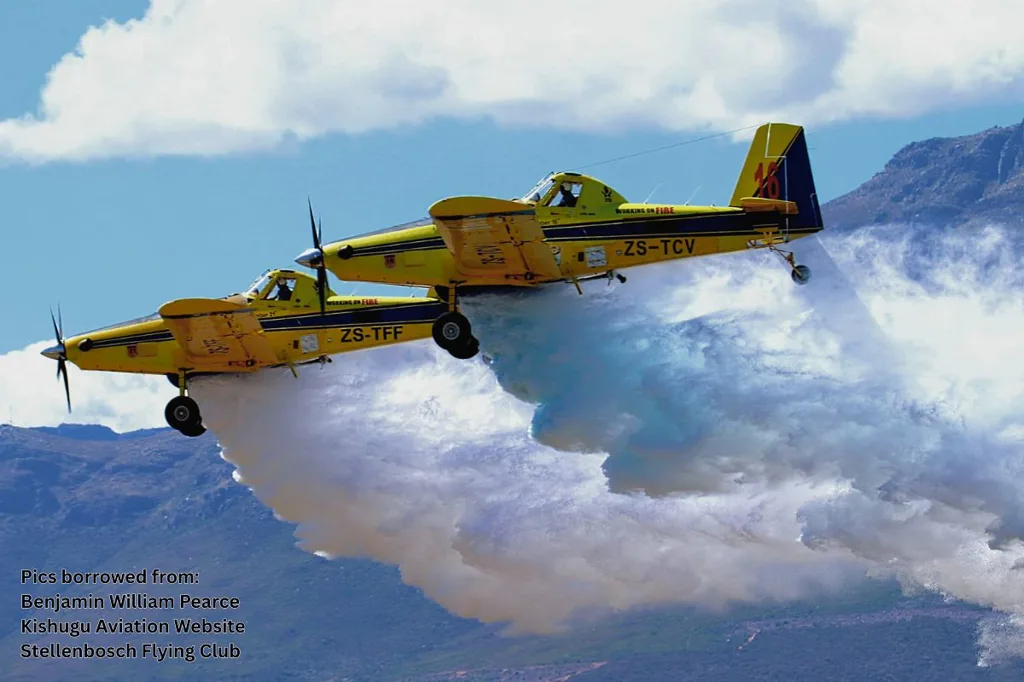 Winter fire contracts can clear R700,000 over R1 million a year.
How to Become a South African Agricultural Pilot: A Practical Roadmap
If this article has lit a fire in you and you’re ready to chase that raw, low level, stick and rudder adrenaline instead of the airline bus driver route, here is the exact path forward.
1. Earn Your Commercial Pilot Licence (CPL)
Start with a standard CPL at a reputable flight school. This gives you the foundational hours and licence. However, do not stop here. Suburban flight schools generally lack the specialised approvals, aircraft, and instructors needed for agricultural work.
2. Get Specialised Agricultural Training
Agricultural flying requires specific SACAA Part 141 approvals for low level operations, tailwheel, and aerial application ratings. Only a handful of elite facilities in South Africa offer this properly. The two stand out options are:
-
Fantini Air (Kroonstad, Free State)
The spiritual home of practical crop spraying training in Africa. Founded in 1992, this working agricultural operation offers intensive, boots on the ground instruction right in the heart of the maize belt. Expect serious focus on tailwheel conversions, low level handling, nozzle and droplet control, GPS mapping, and the mechanical realities of the job. Because they also run an Approved Maintenance Organisation (AMO), you’ll learn how to truly look after the machinery.
-
Ag Aviation Flight Academy (AAFA) – Stellenbosch, Western Cape
The premier destination if you want to fly modern heavy turbine aircraft like the Air Tractor AT-502 and AT-802. As the official Air Tractor dealer for Sub-Saharan Africa, they provide factory aligned training including turbine ratings, Air Tractor type conversions, single pilot CRM, and firefighting recurrency courses. They feature a state of the art AT-802 simulator and have strong industry connections for placement and insurance advantages.
Choose based on your goals: Fantini for deep practical foundations; AAFA for high end turbine and firefighting transitions.
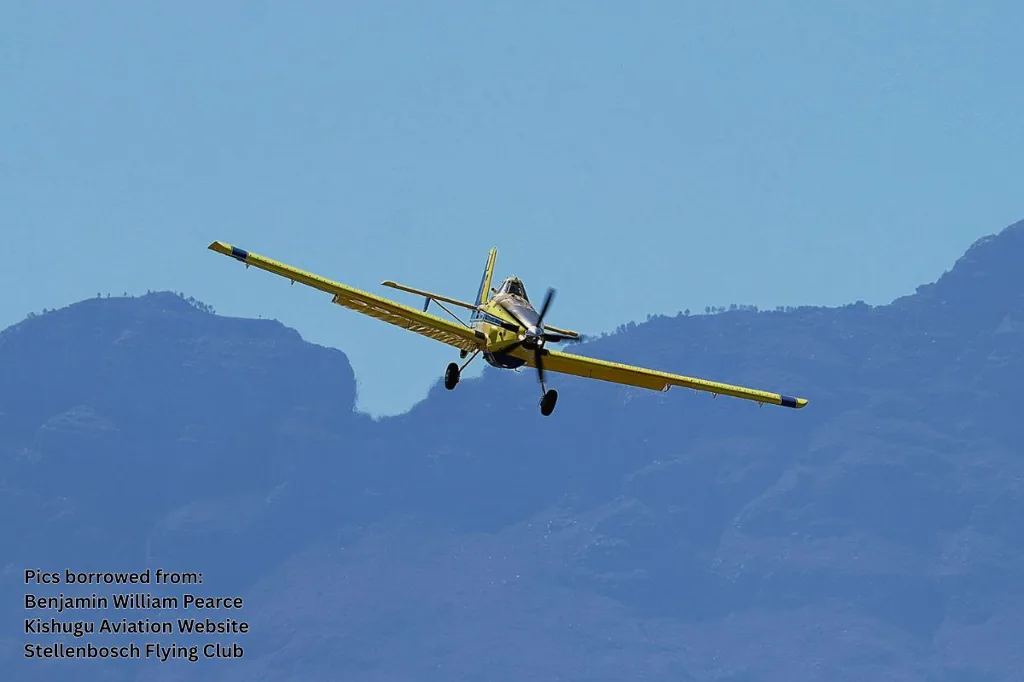 The wild, untamed side of aviation is still alive.
3. Complete the Mandatory Legal Qualification
You cannot legally spray in South Africa with just a pilot licence. Under Act 36 of 1947, you must register as a Pest Control Operator (PCO) with the Department of Agriculture.
Enrol in the Aerial Application (NQF 4) course at the Pest Management Academy in Pretoria (or equivalent approved provider). This covers chemical selection, pest identification, calibration, safety, and regulatory requirements. Once completed and registered, the Agricultural Rating can be added to your SACAA licence.
4. Get Hired… The Old-School Way
Having the ratings stamped on your licence is not enough. This industry runs on trust and proven mechanical sympathy.
Smart move: Approach operators (including Fantini and other regional outfits) and offer to work a full season as ground crew, mixing chemicals, loading aircraft, monitoring weather, and maintaining equipment. This proves your humility, work ethic, and understanding of operations. Operators notice who they can trust with a R30 million machine. Many of the best ag pilots started exactly this way.
Final Reality Check
Entry level ag pilot salaries often start between R350,000 to R450,000, rising quickly to R700,000 to R1 million+ for experienced turbine and firefighting pilots. It is demanding, seasonal, and occasionally dangerous work, but it delivers the high consequence, visceral flying that the modern SAAF can no longer provide.
If you’re the type who wants to feel the machine through the seat and controls, smell the turbine exhaust at dawn, and operate on the ragged edge while delivering real value to farmers, this is the path.
The wild side of South African aviation is still alive. It’s waiting on dusty Free State runways and smoky mountain fire lines.
Now it’s up to you to go earn it.
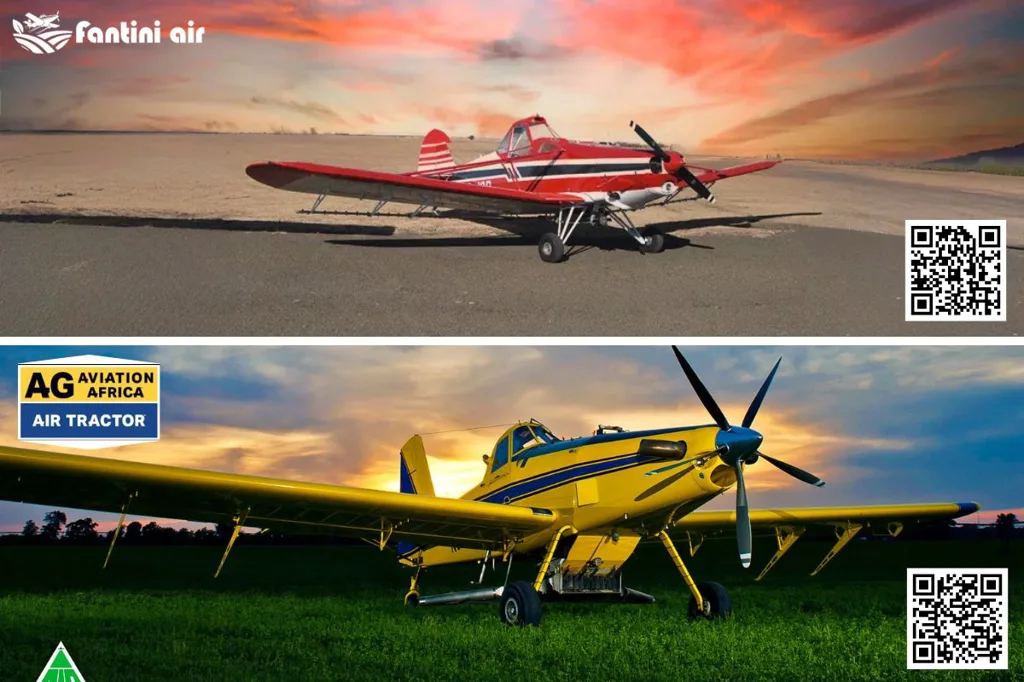 The best in the business for training and accreditation.
Sponsored
Advertise with Motor IQ today!
High-flyers don’t scroll standard classifieds. Get your aviation gear in front of the pilots, dreamers, and aero-nuts who actually look up.
Learn More.
Written by
Sean Motor IQ
From Grease Monkey to Industry Pro:
A Life Hustling Horsepower.
For Séan Hendley, "die koeël is deur die kerk" is not just a sayi… Read more →

Photography by
Motor IQ Office Skivvy
Behind every sharp story, clean gallery and late night news drop on Motor IQ, there’s a quiet creative force keeping the wheels turning. Read more →